INDIA NATIONAL FLAG
TIRANGA
 |
|
|
|
|
|
|
|
|
|
|
|
|
|
|
|
|
|
|
|
|
|
|
|
|
|
|
|
|
|
|
|
|
|
|
|
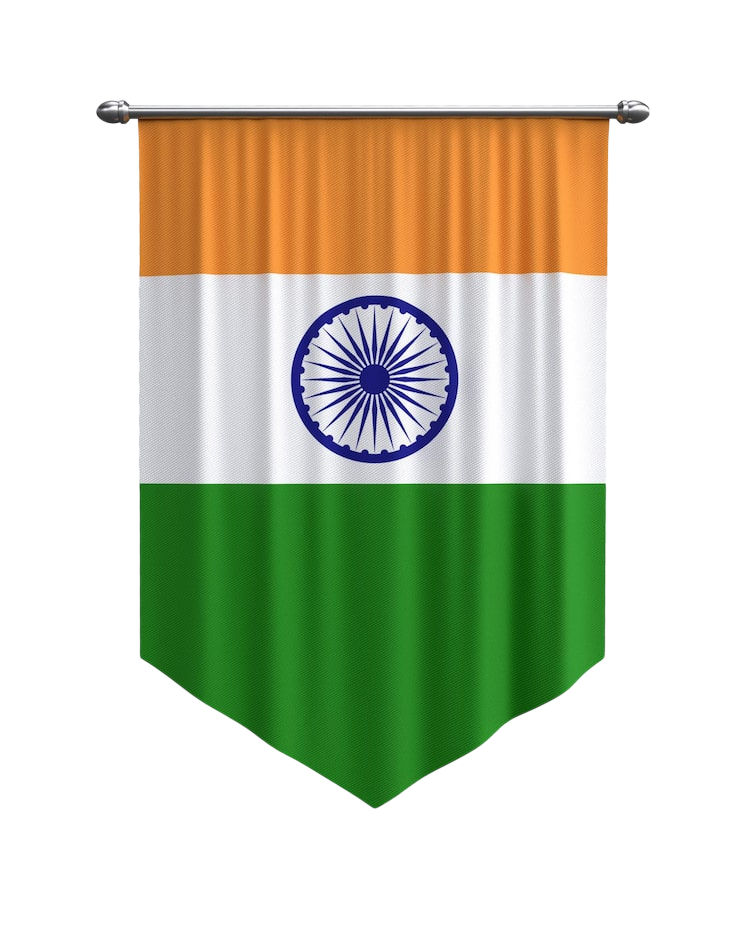
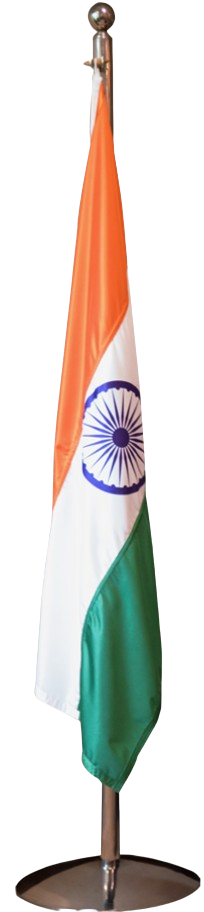
India national flag has three color in three different horizontal stripes due to which it also known as Tricolor with a navy blue Chakra known as Ashoka Chakra which contain 24 spoke .
| |
|
|
|
|
|
|
|
|
|
|
|
|
|
|
|
|
|
|
|
|
|
|
|
|
|
|
|
|
|
|
|
|
|
|
|
First from top horizontal Strip is of Saffron color in hindi known as Kesari.

|
Saffron color represent strength, courage, sacrifices and fortitude.It symbolozes mental strength which is crucial for success.
| |
|
|
|
|
|
|
|
|
|
|
|
|
|
|
|
|
|
|
|
|
|
|
|
|
|
|
|
|
|
|
|
|
|
|
|
Second from top horizontal Strip is of white color

|
White color represents peace, truth, purity and honesty with navy blue Ashoka Chakra.
| |
|
|
|
|
|
|
|
|
|
|
|
|
|
|
|
|
|
|
|
|
|
|
|
|
|
|
|
|
|
|
|
|
|
|
|
Third from top horizontal Strip or bottom strip is of green color

|
Green color represents prosperity, life, vitality and auspiciousness of land. It stands for creative fertility and growth in workplace.
| |
|
|
|
|
|
|
|
|
|
|
|
|
|
|
|
|
|
|
|
|
|
|
|
|
|
|
|
|
|
|
|
|
|
|
|
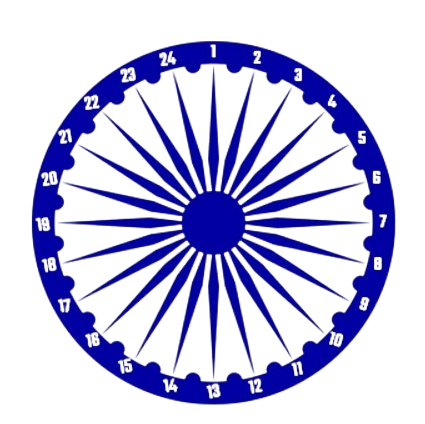
Centre of flag in white strip, a navy blue Ashoka Chakra of
wheel shape with 24 spoke is present.
Ashoka
Chakra:-
|
Ashoka Chakra represents dharma (duty-in english) and also represent continuous movement of progress and Dharma Chakra adapted from Ashok Pillar at Sarnath.
| |
|
|
|
|
|
|
|
|
|
|
|
|
|
|
|
|
|
|
|
|
|
|
|
|
|
|
|
|
|
|
|
|
|
|
|
|
|
|
|
|
|
|
|
|
|
|
|
|
|
|
|
|
|
|
|
|
|
|
|
|
|
|
|
|
|
|
|
|
|
|
|
|
|
|
|
|
|
|
|
|
|
|
|
|
|
|
|
|
|
|
|
|
|
|
|
|
| |
|
|
|
|
|
|
|
|
|
|
|
|
|
|
|
|
|
|
|
|
|
|
|
|
|
|
|
|
|
|
|
|
|
|
|
COMPLEATE INDIA NATIONAL FLAG
TIRANGA
| |
|
|
|
|
|
|
|
|
|
|
|
|
|
|
|
|
|
|
|
|
|
|
|
|
|
|
|
|
|
|
|
|
|
|
|
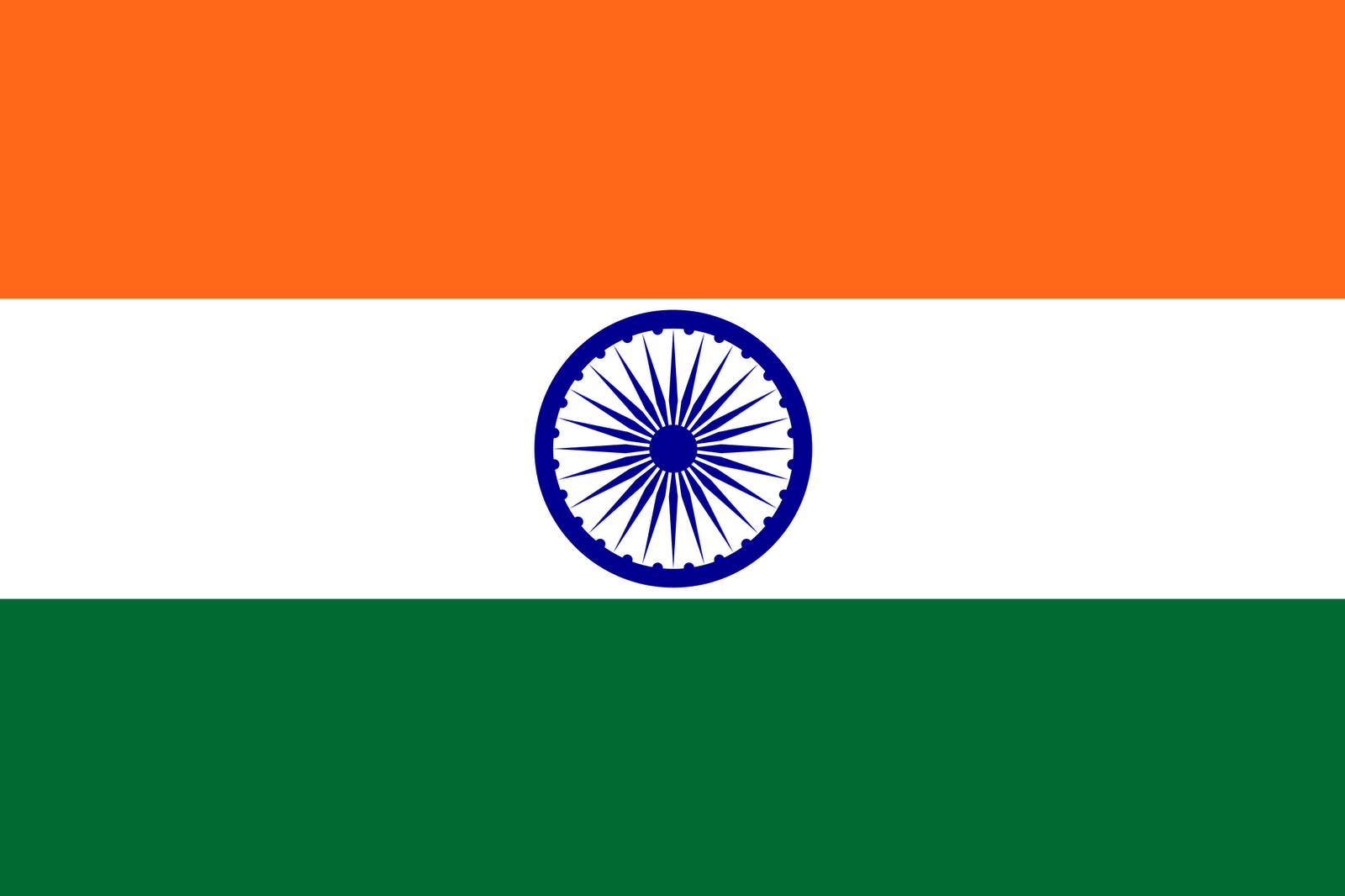
On 22nd July 1947, Constituent Assembly of India adopted Tiranga (Tricolour) as national flag of India. The origins, development or creation of the Indian national flag tiranga (Tricolor) track back to the freedom struggle and movement. In which tringa the Indian national flag served as the ultimate, great and best symbol of high level unity, defiance and anti-colonial resistance at the time of freedom struggle. Tricolour or tiranga (India national Flag) is a rectangular horizontal tricolour made or build exclusively or highly from woven wool, cotton or silk Khadi which is a hand-spun or hand-woven cloth to reflect self-reliance which was popularized by Mahatma Gandhi during the freedom movement or struggle. The national flag has a define length-to-width ratio of 3:2.
| |
|
|
|
|
|
|
|
|
|
|
|
|
|
|
|
|
|
|
|
|
|
|
|
|
|
|
|
|
|
|
|
|
|
|
|
Tiranga the Indian national flag also known as tricolor is the ultimate, glorious and highly respected symbol and icon of the India's national identity. It honors and give value and respect to the sacrifices made or done by countless freedom fighters such as Bhagat Singh, Subhas Chandra Bose, Mahatma Gandhi, Jawaharlal Nehru, Sardar Vallabhbhai Patel, Lal Bahadur Shastri, Chandra Shekhar Azad, Bal Gangadhar tilak, Sarojini Naidu, Dr. Rajendra Prasad extra.
| |
|
|
|
|
|
|
|
|
|
|
|
|
|
|
|
|
|
|
|
|
|
|
|
|
|
|
|
|
|
|
|
|
|
|
|
| |
|
|
|
|
|
|
|
|
|
|
|
|
|
|
|
|
|
|
|
|
|
|
|
|
|
|
|
|
|
|
|
|
|
|
|
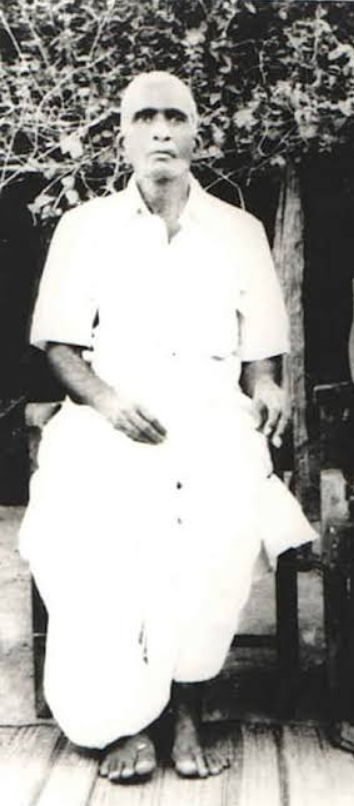
India national flag was designed by Pingali Venkaya:-
|
Pingali Venkayya in an Indian freedon fighter belong from Andhra Pradesh.