 |
|
|
|
|
|
|
|
|
|
|
|
|
|
|
|
|
|
|
|
|
|
|
|
|
|
|
|
|
|
|
|

|
| |
|
|
|
|
|
|
|
|
|
|
|
|
|
|
|
|
|
|
|
|
|
|
|
|
|
|
|
|
|
|
|
| |
|
|
|
|
|
|
|
|
|
|
|
|
|
|
|
|
|
|
|
|
|
|
|
|
|
|
|
|
|
|
|
| |
|
|
|
|
|
|
|
|
|
|
|
|
|
|
|
|
|
|
|
|
|
|
|
|
|
|
|
|
|
|
|
INFORMATION ABOUT
INDIA NATIONAL
Anthem
Jana Gana Mana
| |
|
|
|
|
|
|
|
|
|
|
|
|
|
|
|
|
|
|
|
|
|
|
|
|
|
|
|
|
|
|
|
Starting
of
Indian
National Anthem
| |
|
|
|
|
|
|
|
|
|
|
|
|
|
|
|
|
|
|
|
|
|
|
|
|
|
|
|
|
|
|
|
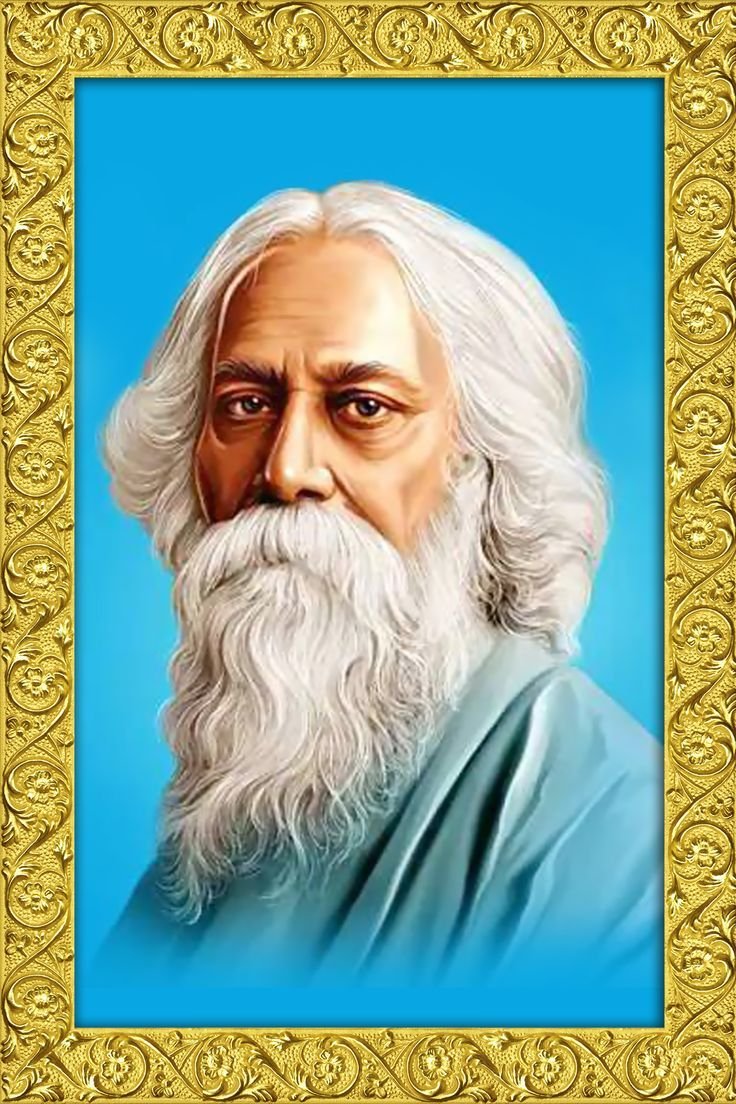
On 27th December 1911, "Bharoto Bhagyo Bihata" was public for first time by Rabindranath Tagore at an Indian National Congress session in Calcutta which is now Kolkata. Next following year on 1912, "Bharoto Bhagyo Bidhata" was published in Brahmo Samaj Journal Tatwabodhini Patrika ("Truth-Finding Newspaper").
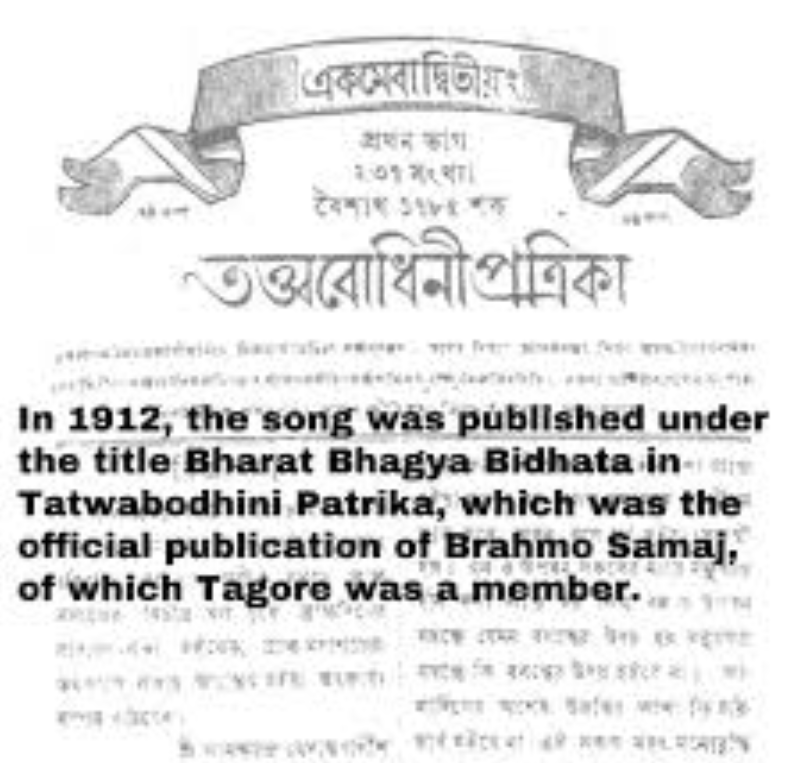
("Truth-Finding Newspaper").
| |
|
|
|
|
|
|
|
|
|
|
|
|
|
|
|
|
|
|
|
|
|
|
|
|
|
|
|
|
|
|
|
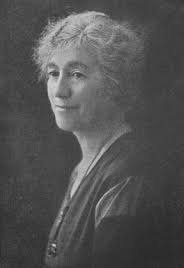
In 1919 at Madanapelle now in Andhra Pradesh State, Rabindranath Tagore shared melody with Margaret Cousins, who ask a written copy.
| |
|
|
|
|
|
|
|
|
|
|
|
|
|
|
|
|
|
|
|
|
|
|
|
|
|
|
|
|
|
|
|
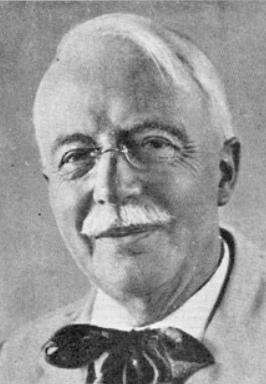
After Margaret Cousins request Rabindranath Tagor translated poem in English and that english version become prayer song at Besant Theosophical College who's principle was Margaret Cousins husband- James H.Cosins:-
| |
|
|
|
|
|
|
|
|
|
|
|
|
|
|
|
|
|
|
|
|
|
|
|
|
|
|
|
|
|
|
|
| |
|
|
|
|
|
|
|
|
|
|
|
|
|
|
|
|
|
|
|
|
|
|
|
|
|
|
|
|
|
|
|
Selection
of
Indian
National Anthem
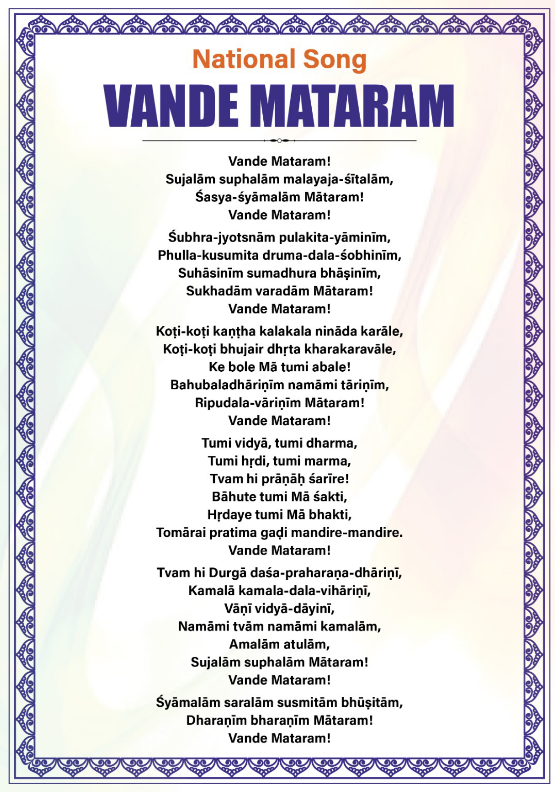
With "Jana Gana Mana", "Vande Mataram" also considered for National Anthem of India. But Muslim League Party raised objection over "Vande Mataram" for invocation of Hindu deity in stanza and due to this Vande Mataram dismissed from India National Anthem.
| |
|
|
|
|
|
|
|
|
|
|
|
|
|
|
|
|
|
|
|
|
|
|
|
|
|
|
|
|
|
|
|
| |
|
|
|
|
|
|
|
|
|
|
|
|
|
|
|
|
|
|
|
|
|
|
|
|
|
|
|
|
|
|
|
Declaration
of
Indian
National Anthem
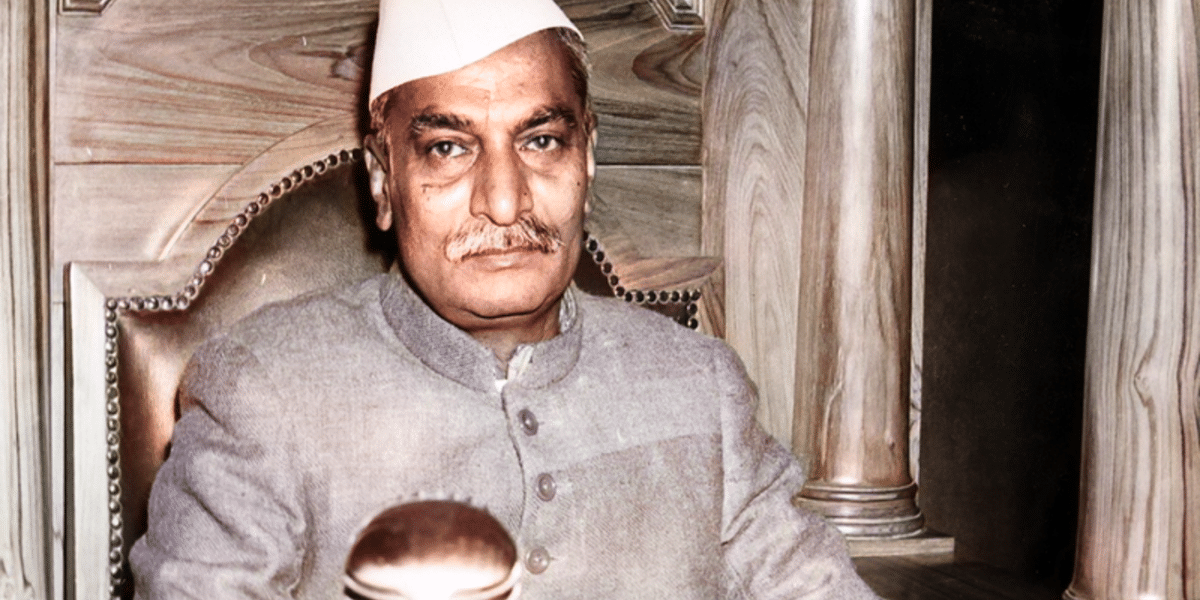
On 24th January 1950, two day before independent India become Republic, "Jana Gana Mana" officially declared as national anthem of India by then- First President:- Rajendra Prasad
| |
|
|
|
|
|
|
|
|
|
|
|
|
|
|
|
|
|
|
|
|
|
|
|
|
|
|
|
|
|
|
|
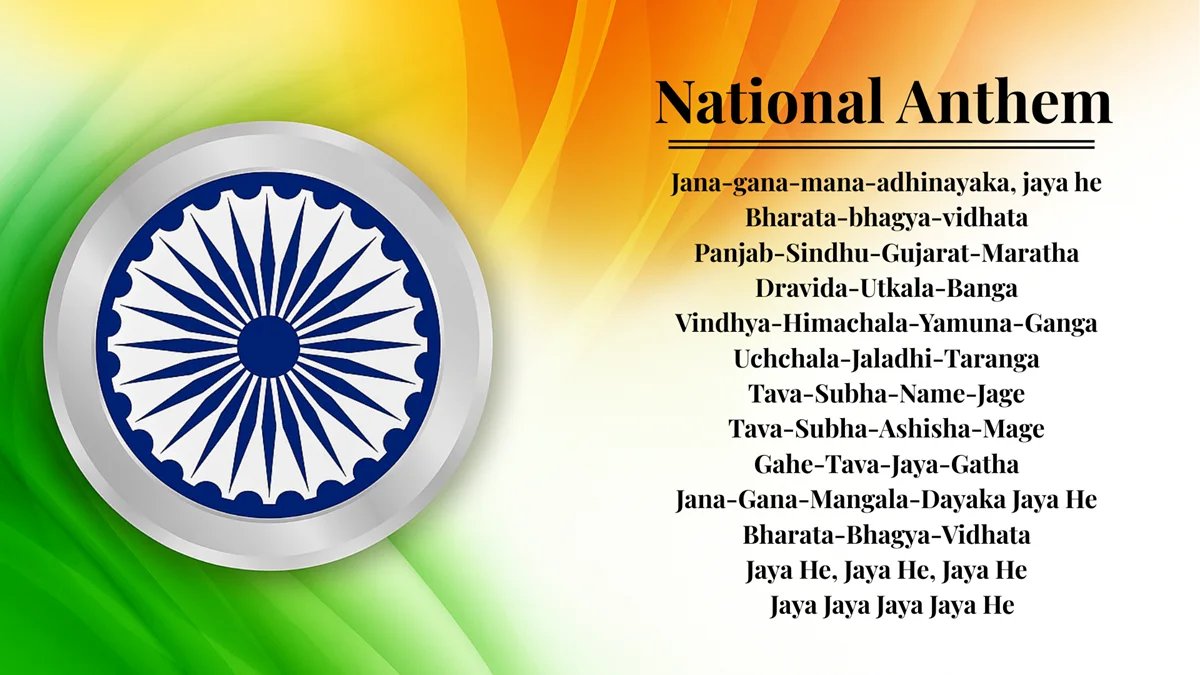
Bharoto Bhagyo Bidhata have five stanza but first stanza was chosen as India's National Anthem which known as Jana Gana Mana:-
Transliteration in the Latin alphabet of
|
Tagore translated to English as:Thou art the ruler of the minds of all people, dispenser
of India's destiny. |
| |
|
|
|
|
|
|
|
|
|
|
|
|
|
|
|
|
|
|
|
|
|
|
|
|
|
|
|
|
|
|
|
 |
 |